
Running fine, keep it going
If your unit looks like this, clean and sitting level on its pad, cooling the house without short cycling or strange noises, there's no reason to replace it on a schedule. Keep the area around it clear and let it run.
Send the form and stop researching installers for the new air conditioner.
Let a pro reach outMost air conditioners in Bismarck last 12 to 15 years, and the clearest sign yours is done is cost, not age. If the compressor fails or the coil leaks on a unit past 10 years old, the repair bill often runs close to what a new system costs, and that's the point most contractors will tell you to stop patching it. Age matters too: a unit running into its teens is working harder each summer to do the same job, and R-22 systems are getting expensive to service since that refrigerant is being phased out. Short Bismarck summers mean the equipment isn't the first thing to wear out from overuse, so when it fails this early it's usually a sign the unit itself is at the end of its life, not that something minor broke. If your system is under 10 years old, a repair almost always makes more sense than replacing it.

If your unit looks like this, clean and sitting level on its pad, cooling the house without short cycling or strange noises, there's no reason to replace it on a schedule. Keep the area around it clear and let it run.

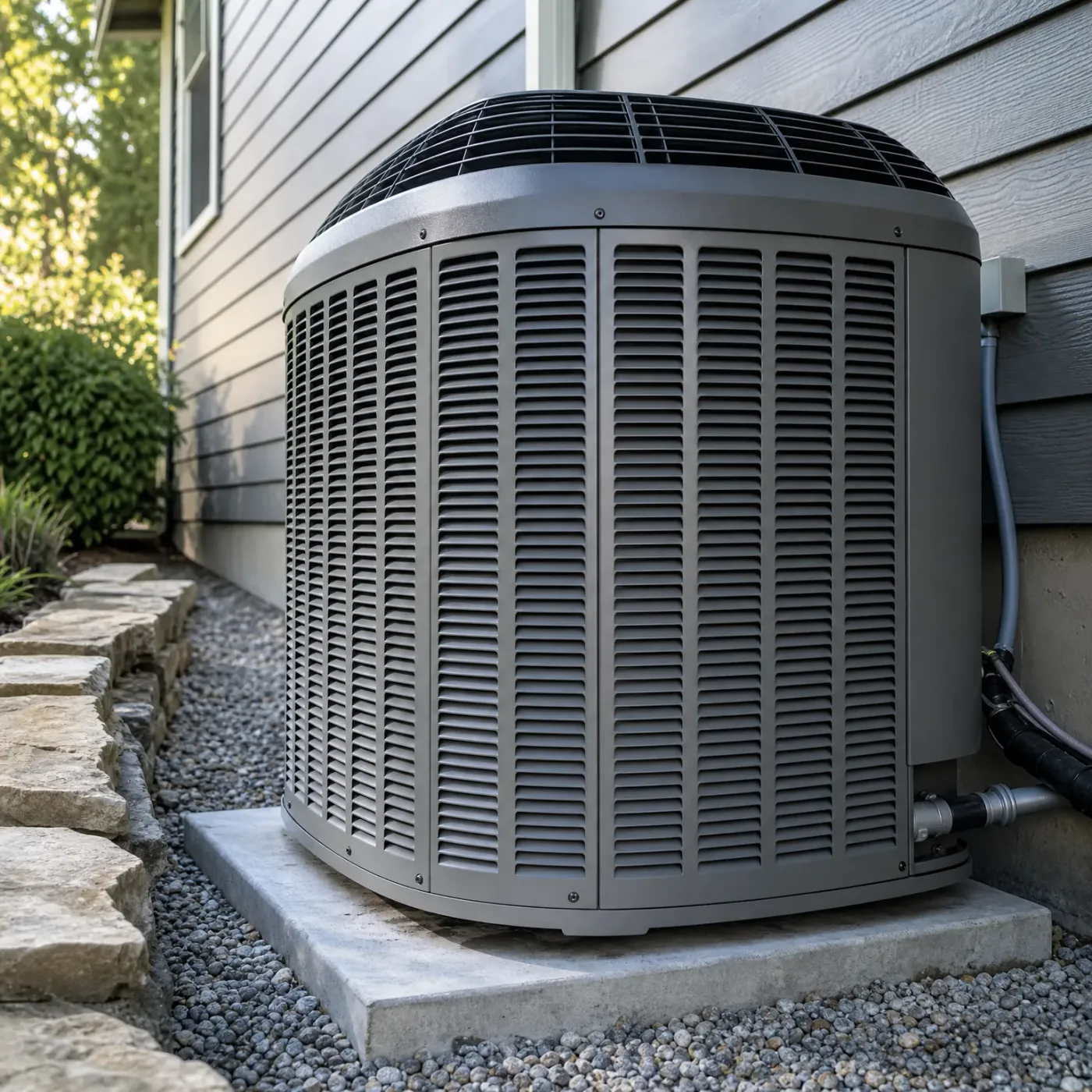
Leaves and dirt packed around the base, refrigerant lines losing their insulation, a cabinet showing rust. None of that stops it from running today, but it points to a unit that's worked hard for a long time and is closer to a bigger failure than a new one would be.
A compressor problem doesn't always announce itself clearly. You might hear something different, or notice the air isn't as cold as it used to be, and you're trying to figure out if this is the big one or something smaller a contractor can fix in an afternoon.
A dying compressor usually hums or clunks when the unit tries to start, then shuts off on its own. That's the compressor trying to pull more current than it should and the system protecting itself by cutting power. You may also notice the air coming from your vents isn't as cold as it was, even though the outdoor unit is running. Some compressors trip the breaker repeatedly. None of this is a DIY fix. Once a compressor is grounded or seized, a contractor can confirm it fast by checking the pressures and the amp draw, but by then you're deciding on a new system, since compressors are rarely replaced on their own in a unit that's already past 10 years old.
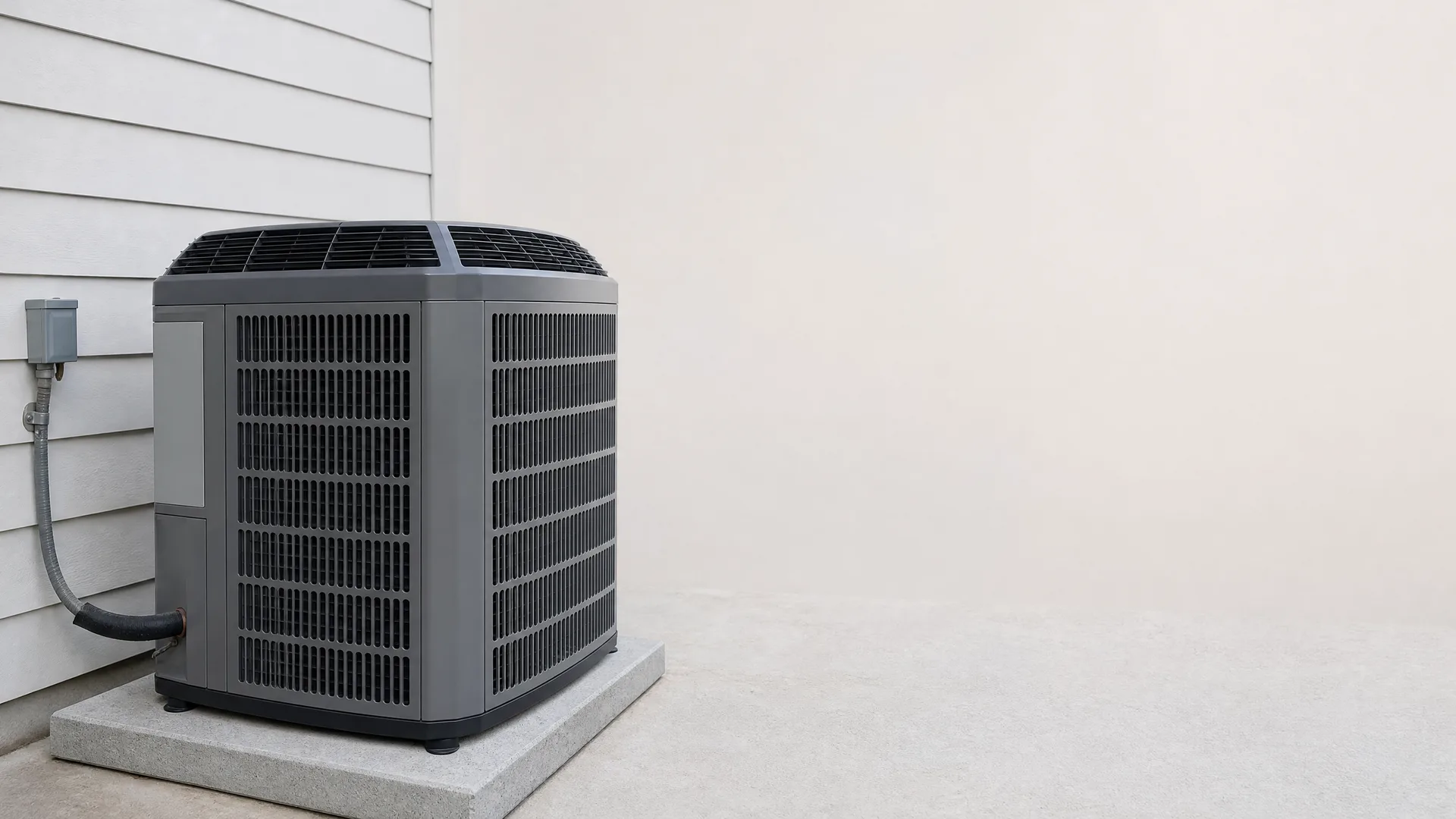
An air conditioner nearing the end of its life has to run longer to hit the temperature on your thermostat. That extra runtime shows up on your electric bill even though power here is cheap. A unit that used to cool the house in short cycles and shut off now runs through the warm part of the afternoon without stopping, and the compressor wears faster under that load.
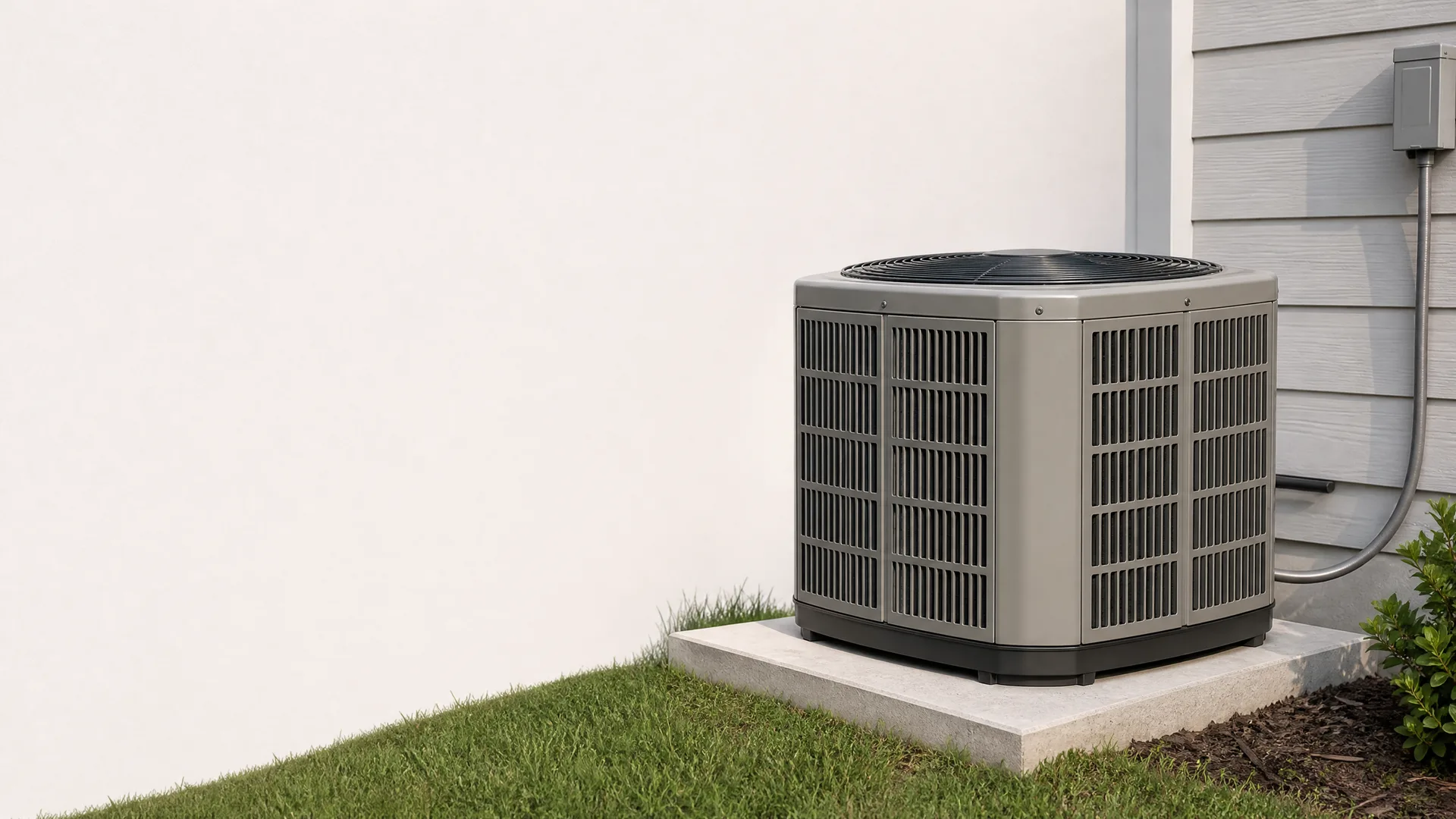
Two units built the same year can be in completely different shape depending on how they were maintained and how hard they've run. A system that's had its coil cleaned and refrigerant checked on schedule can outlast one that hasn't, even by a few years. That's why a contractor looking at your unit will check the compressor, the coil and the refrigerant charge before saying anything about replacing it.
Walk through the house on a hot afternoon. Some rooms are cool, the one upstairs isn't, and the thermostat says the temperature is where you set it anyway. That's a sign the system can't move enough air or hold its charge. Listen at the outdoor unit too. A grinding or rattling sound that wasn't there last summer usually means a part inside is wearing out. Check the drain line and the pan under the indoor coil for water. A unit that cycles on and off every few minutes instead of running a normal stretch is struggling, and if it keeps running that way, you're looking at a bigger repair before fall, not a smaller one.




The pro who gets in touch is licensed in North Dakota and works in Burleigh County.
One request ends the search for an air conditioner installer.
No charge to send it. You decide if you hire them.




A contractor sizes the new unit to your house, not just the old one.
Old refrigerant lines get flushed or replaced so debris doesn't ruin the new compressor.
The indoor coil and outdoor condenser are swapped as a matched pair.
New lines are pressure tested, then charged with refrigerant to the exact weight.
Two months of real work a year is light duty for a machine built to run much longer. When an AC here starts struggling in just July and August, that's not wear catching up with it. It's telling you something inside has already failed.
NOAA nClimDiv 1991-2020
By now you know the real question isn't how old the unit is. It's whether the next repair bill makes sense against a new system, and whether the one you have is still doing its job without strain. A unit running clean and quiet through summer here doesn't need to go anywhere. One that's climbing in cost, or losing ground in parts of the house no matter what the thermostat says, is telling you something has already failed inside it.
Bismarck summers aren't long, but they're real, and whatever you decide has to hold up through winters that are harder on equipment than most places see. That's not a judgment call you have to make alone. A contractor who works on these systems every summer in this area has seen which failures on a 12 year old unit are worth fixing and which ones mean the compressor is done. That's the kind of read that comes from doing the work here, not from a chart.
If you send the form on this page, it goes to one licensed local contractor, not a handful of companies bidding against each other for your number. You'll talk to someone who already knows the equipment common to this area and the winters it has to survive, and who can tell you plainly whether you're looking at a repair or a replacement. Either way, the system should fit the house it's cooling and the climate it has to get through the other nine months of the year.

A licensed pro who works in Burleigh County gets your request.